The cell biology of the genome.

The nucleus is both the container for the genome and the definitive organelle of the eukaryotic cell. We blend modern genomics and systems biology approaches with the classic tools of molecular cell biology to explore the function and dynamic regulation of the genome in relation to its nuclear environment.

We focus on the dynamic interplay between the genome and the nuclear lamina, which is a protein meshwork that scaffolds heterochromatin and protects the genome. We are working to understand how the nuclear lamina is assembled and maintained, how it performs its essential functions, and how it breaks down in disease and aging.

Nuclear envelope Chromatin organization Laminopathies Aging biology
Values + Mission

Our mission

Our mission is to make meaningful contributions to science while fostering an inclusive laboratory culture that values both individual growth and effective teamwork. We believe that making scientific discoveries requires the audacity to question existing knowledge and the confidence to explore the unknown.

“Success” for us means empowering each lab member to discover. We welcome, respect, and advocate for members across the spectra of race, gender, and socioeconomic class. We embrace cultural differences and recognize that a diversity of perspectives makes for a stronger, more creative team.

Research

What we work on

Functions of the nuclear lamina

We explore how the nuclear lamina scaffolds chromatin organization and sustains nuclear integrity in both pluripotent and differentiating cells. We manipulate the lamina using genetic perturbations and acute degron depletion tools. We apply genomics assays and live-cell microscopy to probe the functions of the lamina.
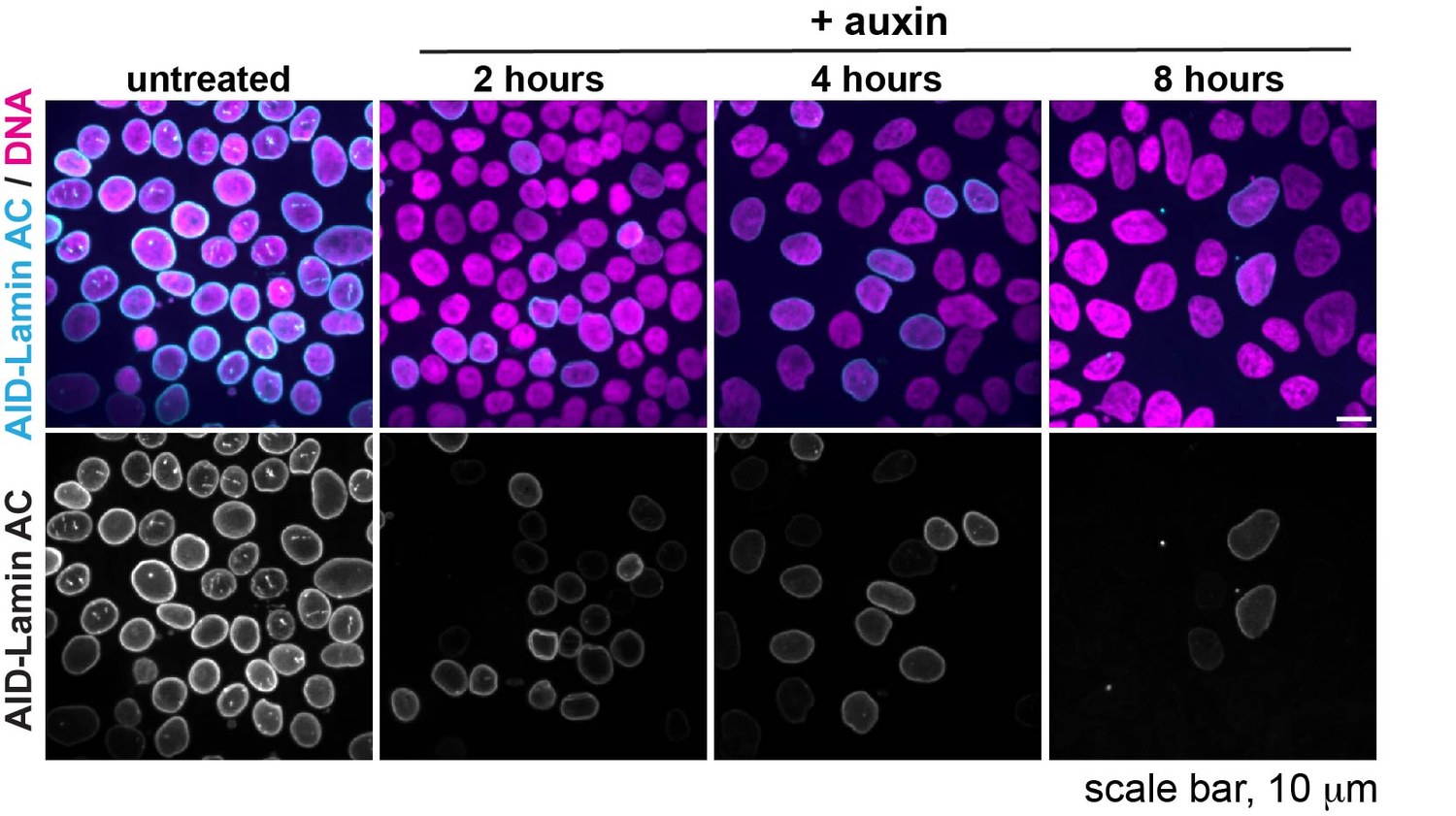
Acute degron depletion of lamin A/C over an 8-hour auxin time course; lamin A/C in cyan, DNA in magenta.
Acute, auxin-induced degron depletion of lamin A/C over an 8-hour time course (lamin A/C, cyan and grayscale; DNA, magenta).
Selected papers
Lamin B1 and LAP2β resist cytoskeletal force to maintain lamin A/C meshwork organization and preserve nuclear integrity.
Molecular Biology of the Cell (2025)
Alabi Y, Aksenova V, Arnaoutov A, Marin H, Dasso M, Buchwalter A
The nuclear periphery confers repression on H3K9me2-marked genes and transposons to shape cell fate.
Nature Cell Biology (2025)
Marin HC, Allen C, Simental E, Martin EW, Panning B, Al-Sady B, Buchwalter A

Proteostasis at the nuclear lamina

We use metabolic labeling and dynamic proteomics to profile nuclear protein homeostasis. We discovered that the nuclear lamina is an extremely long-lived protein structure but undergoes turnover in some disease states and developmental contexts. We are working to understand lamina biogenesis, quality control, and maintenance over lifespan.
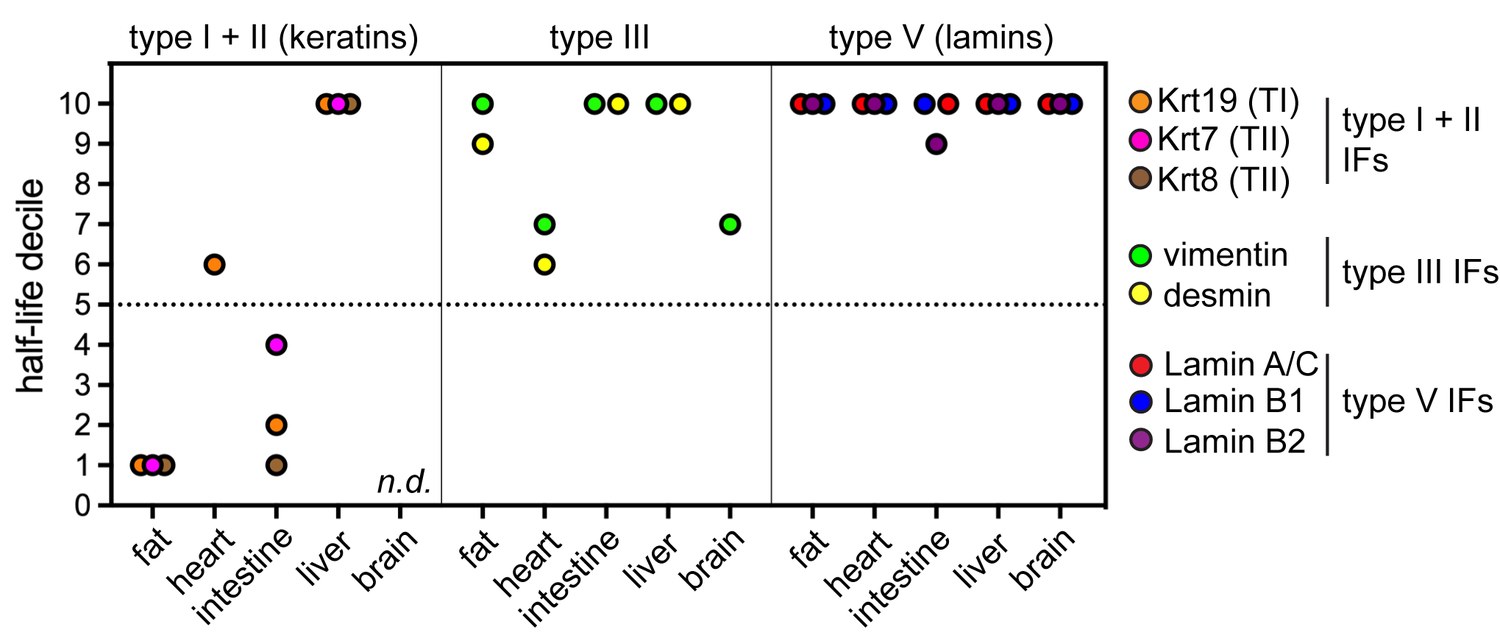
Dot plot of intermediate filament protein half-life deciles across mouse tissues, showing the lamins among the longest-lived proteins.
Protein half-lives across mouse tissues, ranked by decile: the type V lamins (lamin A/C, B1, B2) rank among the longest-lived proteins (top decile) in nearly every tissue surveyed.
Selected papers
Selective clearance of the inner nuclear membrane protein emerin by vesicular transport during ER stress.
eLife (2019)
Buchwalter A, Schulte R, Tsai H, Capitanio J, Hetzer M
Turnover and replication analysis by isotope labeling (TRAIL) reveals the influence of tissue context on protein and organelle lifetimes.
Molecular Systems Biology (2023)
Hasper J, Welle K, Hryhorenko J, Ghaemmaghami S, Buchwalter A

The lamina and human disease

Hundreds of mutations to the lamina and lamina-associated proteins cause “laminopathy” syndromes. We apply deep mutational scanning and proteomic methods to dissect the consequences of disease mutations on lamina assembly, structure, and function in order to enable informed decisions about treatment of these devastating syndromes.
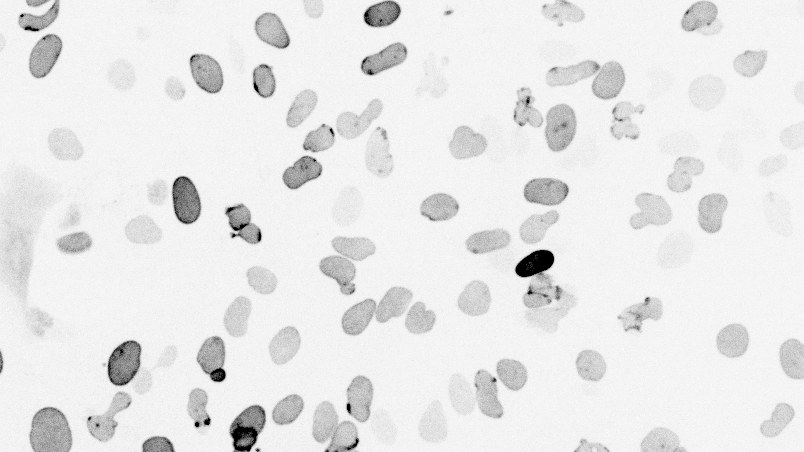
Field of cardiac cell nuclei expressing a library of LMNA mutants, with varied staining intensity and nuclear shape.
Cardiac cells expressing a library of LMNA mutants show varied effects on protein expression and nuclear morphology.
Selected papers
Long lifetime and tissue-specific accumulation of lamin A/C in Hutchinson-Gilford progeria syndrome.
Journal of Cell Biology (2024)
Hasper J, Welle K, Swovick K, Hryhorenko J, Ghaemmaghami S, Buchwalter A
Preprint coming soon
Team

The team

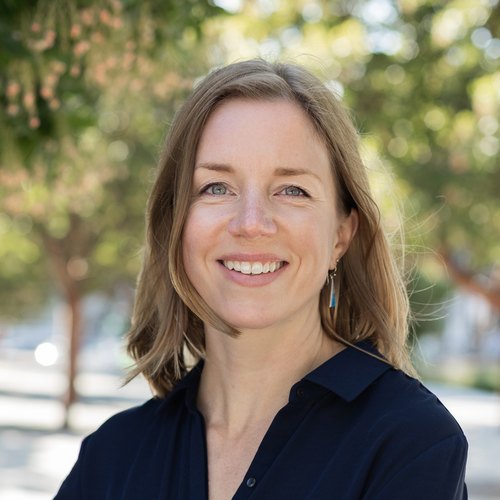
Abby Buchwalter

Abby Buchwalter, Ph.D.

Principal Investigator
Associate Professor · she/her
Eric Martin

Eric Martin

Postdoctoral Fellow
Joint with Bassem Al-Sady · he/him
Solène Hervé

Solène Hervé

Postdoctoral Fellow
Jessica Mella

Jessica Mella

Graduate Student
Tetrad Program
Tracy Knight

Tracy Knight

Graduate Student
Tetrad Program
Abby Hein

Abby Hein

Graduate Student
Tetrad Program
Can Goksal

Can Goksal

Graduate Student
Tetrad Program · joint with Bassem Al-Sady
Charlie Allen

Charlie Allen

Assistant Specialist
she/they

Alumni

Harold Marin
Graduate Student (Tetrad) Postdoctoral Fellow, Buck Institute
Katie Augspurger
Graduate Student (Tetrad) Lab Support Specialist, VRG Labs
Yewande Alabi
Graduate Student (Biomedical Sciences)
Valeria Virrueta
Junior Specialist Graduate Student, University of Texas at Austin
Kenzi Fernholz
Junior Specialist Junior Specialist, University of California, Davis
Yana Blokhina
Postdoctoral Fellow Scientist, New Limit
John Hasper
Staff Research Associate full-time dad
Publications

Selected publications

Research Articles

2025
Lamin B1 and LAP2β resist cytoskeletal force to maintain lamin A/C meshwork organization and preserve nuclear integrity.
Molecular Biology of the Cell (2025)
Alabi Y, Aksenova V, Arnaoutov A, Marin H, Dasso M, Buchwalter A
2025
The nuclear periphery confers repression on H3K9me2-marked genes and transposons to shape cell fate.
Nature Cell Biology (2025)
Marin HC, Allen C, Simental E, Martin EW, Panning B, Al-Sady B, Buchwalter A
2025
Proteome birthdating: a single-sample approach for measuring global turnover dynamics and “protein age”.
Bio-protocol (2025)
Meadow ME, Broas S, Hoare M, Ahmed M, Alimohammadi F, Welle KA, Swovick K, Hryhorenko JR, Jain A, Martinez JC, Seluanov A, Gorbunova V, Buchwalter A, Ghaemmaghami S
2025
O-GlcNAc modifications regulate lamin A tail processing.
bioRxiv (2025) · Preprint
Augspurger K, Martin E, Maynard J, Welle K, Ghaemmaghami S, Burlingame A, Panning B, Buchwalter A
2024
Proteome birthdating reveals age-selectivity of protein ubiquitination.
Molecular & Cellular Proteomics (2024)
Meadow ME, Broas S, Hoare M, Alimohammadi F, Welle KA, Swovick K, Hryhorenko JR, Martinez JC, Biashad SA, Seluanov A, Gorbunova V, Buchwalter A, Ghaemmaghami S
2024
Long lifetime and tissue-specific accumulation of lamin A/C in Hutchinson-Gilford progeria syndrome.
Journal of Cell Biology (2024)
Hasper J, Welle K, Swovick K, Hryhorenko J, Ghaemmaghami S, Buchwalter A
2023
Turnover and replication analysis by isotope labeling (TRAIL) reveals the influence of tissue context on protein and organelle lifetimes.
Molecular Systems Biology (2023)
Hasper J, Welle K, Hryhorenko J, Ghaemmaghami S, Buchwalter A
2019
Selective clearance of the inner nuclear membrane protein emerin by vesicular transport during ER stress.
eLife (2019)
Buchwalter A, Schulte R, Tsai H, Capitanio J, Hetzer M
2017
Nucleolar expansion and elevated protein translation in premature aging.
Nature Communications (2017)
Buchwalter A, Hetzer MW
2014
Nup50 is required for cell differentiation and exhibits transcription-dependent dynamics.
Molecular Biology of the Cell (2014)
Buchwalter AL, Liang Y, Hetzer MW

Reviews + Perspectives

2024
What does it take to build a nucleus?
Nature Reviews Molecular Cell Biology (2024)
Buchwalter A
2023
Intermediate, but not average: the unusual lives of the nuclear lamin proteins.
Current Opinion in Cell Biology (2023)
Buchwalter A
2019
Coaching from the sidelines: the nuclear periphery in genome regulation.
Nature Reviews Genetics (2019)
Buchwalter A, Kaneshiro JM, Hetzer MW
2014
Nuclear pores set the speed limit for mitosis.
Cell (2014) · Preview
Buchwalter A, Hetzer MW
Contact

Get in touch

Get in touch with Abby

abigail.buchwalter [at] ucsf.edu

Visit the lab

Smith Cardiovascular Research Institute
555 Mission Bay Boulevard South
San Francisco, CA 94158

Join us!

Postdoctoral Fellows

We welcome applications from potential postdoctoral fellows and are currently hiring. Please email Abby to learn more about potential postdoc opportunities.

Graduate Students

Our lab is affiliated with the Tetrad, Biomedical Sciences, and Development and Stem Cell Biology graduate programs at UCSF. Please contact Abby to discuss opportunities to rotate in the lab.

Undergraduate Students

Undergraduate students interested in a summer research internship are encouraged to apply to the UCSF SRTP program or to contact Abby directly to discuss opportunities to participate in research.

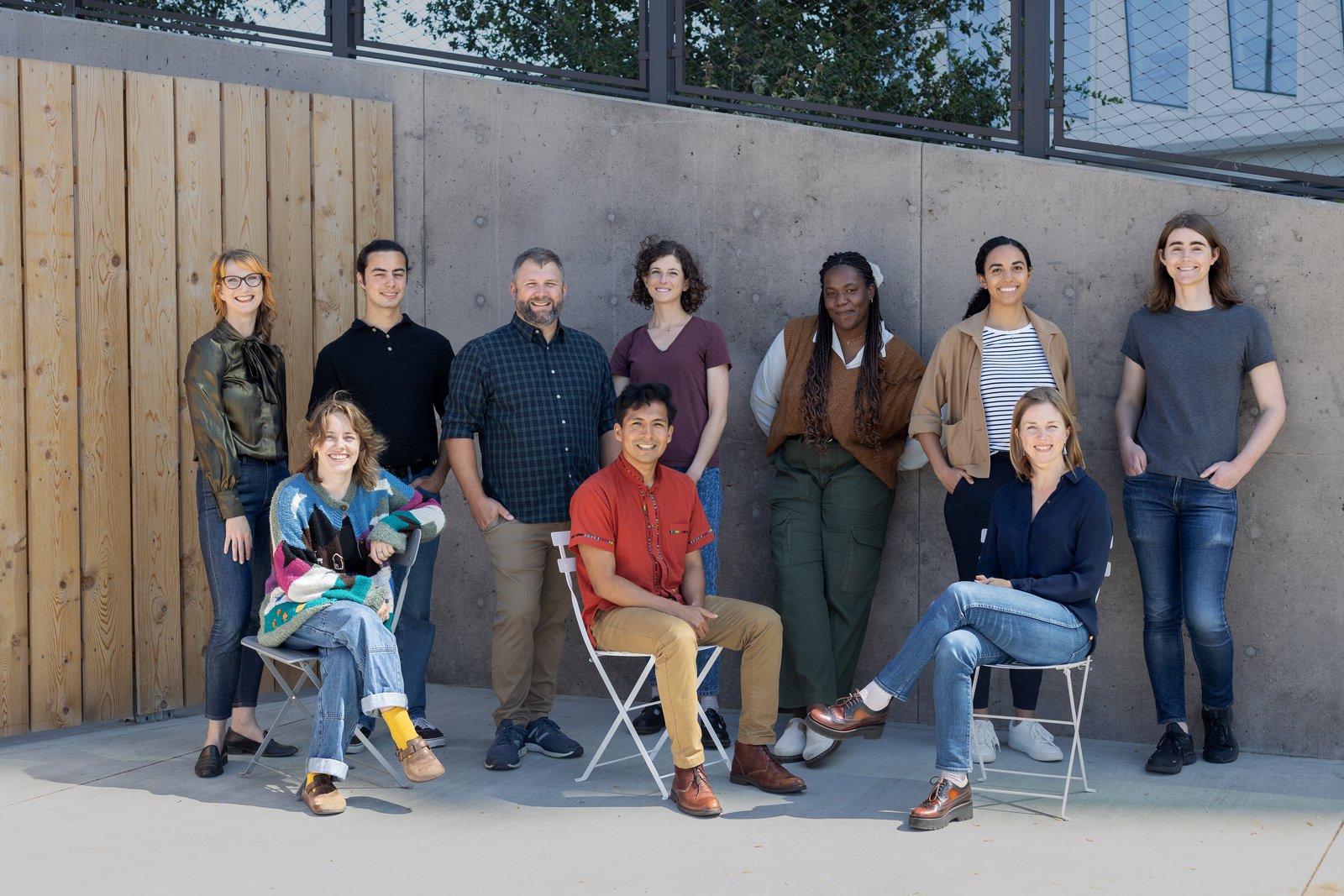
The Buchwalter Lab team photographed together outdoors.
The Buchwalter Lab